
يُعد الجهاز التنفسي من أهم الأجهزة الحيوية في جسم الإنسان، إذ يتحمّل مسؤولية تزويد خلايا الجسم بالأكسجين والتخلّص من ثاني أكسيد الكربون، وهو ناتج ضار عن عملية الأيض. ومن دون الجهاز التنفسي، لا يستطيع الجسم إنتاج الطاقة اللازمة للحياة. يعمل هذا الجهاز باستمرار وبكفاءة عالية، حيث يسمح لنا باستنشاق الهواء الغني بالأكسجين وزفير الغازات الضارة. إن فهم كيفية عمل الجهاز التنفسي يساعدنا على تقدير أهميته الكبيرة في الحفاظ على الحياة والصحة العامة.
محتويات المقال
الجهاز التنفسي باللغة الانجليزية
إليكم فقرة قصيرة باللغة الإنجليزية عن الجهاز التنفسي (Respiratory System):
The Respiratory System
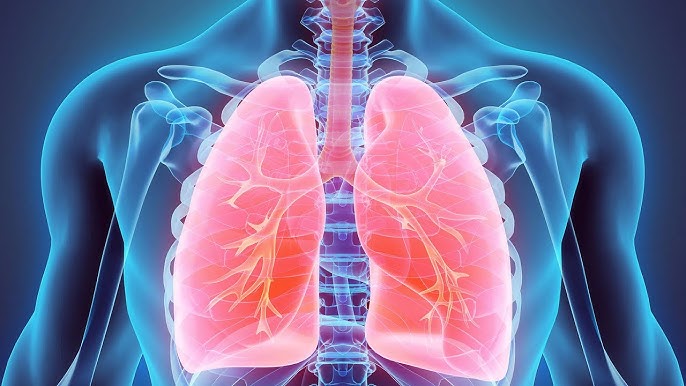
The respiratory system is one of the most important systems in the human body. Its main function is to take in oxygen and remove carbon dioxide. The process of breathing starts when air enters through the nose or mouth, passes through the trachea, and reaches the lungs. Inside the lungs, oxygen moves into the blood, and carbon dioxide is removed. The diaphragm, a large muscle below the lungs, helps with breathing by moving up and down. The respiratory system works closely with the circulatory system to deliver oxygen to all parts of the body and keep us alive.
الجهاز التنفسي
يُعد الجهاز التنفسي واحدًا من أهم أجهزة جسم الإنسان. تتمثل وظيفته الرئيسية في إدخال الأكسجين وإخراج ثاني أكسيد الكربون. تبدأ عملية التنفس عندما يدخل الهواء عبر الأنف أو الفم، ثم يمر عبر القصبة الهوائية ليصل إلى الرئتين. داخل الرئتين، ينتقل الأكسجين إلى الدم، ويتم التخلص من ثاني أكسيد الكربون. يساعد الحجاب الحاجز، وهو عضلة كبيرة تقع أسفل الرئتين، في عملية التنفس من خلال حركته صعودًا وهبوطًا. يعمل الجهاز التنفسي بشكلٍ وثيق مع الجهاز الدوري لنقل الأكسجين إلى جميع أجزاء الجسم والحفاظ على حياتنا.
بحث كامل عن الجهاز التنفسي بالانجليزي
إليكم بحثًا كاملًا باللغة الإنجليزية عن الجهاز التنفسي (The Respiratory System) — منسقًا بمقدمة، محتوى، وخاتمة، ومناسبًا لتقديمه كبحث مدرسي أو جامعي قصير:
The Respiratory System
Introduction
The human body is made up of several systems that work together to keep us alive and healthy. One of the most important of these is the respiratory system. It allows us to breathe and provides our body with the oxygen it needs to survive. Without this system, life would not be possible, as oxygen is essential for every cell in our body.
Main Parts of the Respiratory System
The respiratory system includes several organs that work together to move air in and out of the lungs. The main parts are:
- Nose and Mouth: Air enters the body through the nose or mouth. The nose filters, warms, and moistens the air before it goes to the lungs.
- Trachea (Windpipe): This is a tube that carries air from the throat to the lungs.
- Bronchi and Bronchioles: The trachea divides into two bronchi, one for each lung. These then branch into smaller tubes called bronchioles.
- Lungs: The lungs are the main organs of the respiratory system. Inside them are tiny air sacs called alveoli, where oxygen and carbon dioxide are exchanged.
- Diaphragm: This large muscle below the lungs helps in breathing by contracting and relaxing to move air in and out.
How the Respiratory System Works
When you inhale, air enters your lungs and fills the alveoli. Oxygen from the air passes through the thin walls of the alveoli into the blood. At the same time, carbon dioxide, which is a waste gas produced by the body, moves from the blood into the alveoli and is removed when you exhale.
This process of gas exchange is continuous and happens automatically, keeping the body supplied with oxygen and free from harmful gases.
Importance of the Respiratory System
The respiratory system is vital for life. Without oxygen, the body’s cells cannot produce energy. The respiratory system also helps regulate the body’s pH balance and plays a role in speech and smell. In addition, it protects the body from harmful particles and microorganisms that might enter through the air.
Diseases of the Respiratory System
Some common respiratory diseases include asthma, bronchitis, pneumonia, and lung cancer. These diseases can affect breathing and reduce the amount of oxygen reaching the blood. To keep the respiratory system healthy, it is important to avoid smoking, exercise regularly, and breathe clean air.
Conclusion
In conclusion, the respiratory system is essential for human life. It provides oxygen to the body, removes carbon dioxide, and keeps our cells functioning properly. By understanding how it works and taking care of it, we can maintain good health and live longer, healthier lives.
الجهاز التنفسي
المقدمة
يتكوّن جسم الإنسان من عدة أجهزة تعمل معًا للحفاظ على حياتنا وصحتنا، ومن أهم هذه الأجهزة الجهاز التنفسي. فهو الذي يسمح لنا بالتنفس ويزوّد الجسم بالأكسجين الضروري للحياة. بدون هذا الجهاز لا يمكن للإنسان أن يعيش، لأن الأكسجين ضروري لكل خلية في الجسم.
الأجزاء الرئيسية للجهاز التنفسي
يتكوّن الجهاز التنفسي من مجموعة من الأعضاء التي تعمل معًا لتحريك الهواء داخل الرئتين وخارجهما. ومن أهم هذه الأجزاء:
- الأنف والفم: يدخل الهواء إلى الجسم عن طريق الأنف أو الفم. يقوم الأنف بتنقية الهواء وتسخينه وترطيبه قبل وصوله إلى الرئتين.
- القصبة الهوائية: هي أنبوب ينقل الهواء من الحلق إلى الرئتين.
- الشعب الهوائية والقصيبات: تنقسم القصبة الهوائية إلى شعبتين، كل شعبة تتجه إلى إحدى الرئتين، ثم تتفرع إلى أنابيب أصغر تُسمّى القصيبات.
- الرئتان: تعدّ الرئتان العضوين الرئيسيين في الجهاز التنفسي، وفي داخلهما أكياس هوائية صغيرة تُسمّى الحويصلات الهوائية، يتم فيها تبادل الأكسجين وثاني أكسيد الكربون.
- الحجاب الحاجز: عضلة كبيرة تقع أسفل الرئتين، تساعد في عملية التنفس من خلال انقباضها وانبساطها لدفع الهواء إلى داخل الرئتين وخارجهما.
كيفية عمل الجهاز التنفسي
عندما تستنشق الهواء، يدخل الهواء إلى رئتيك ويملأ الحويصلات الهوائية. ينتقل الأكسجين من الهواء عبر جدران الحويصلات إلى الدم، وفي الوقت نفسه ينتقل ثاني أكسيد الكربون، وهو غاز ضار ناتج عن عمليات الجسم، من الدم إلى الحويصلات ليخرج من الجسم عند الزفير.
تستمر هذه العملية بشكلٍ تلقائي ودائم، مما يضمن تزويد الجسم بالأكسجين والتخلّص من الغازات الضارة.
أهمية الجهاز التنفسي
يُعدّ الجهاز التنفسي ضروريًا للحياة، إذ لا يمكن للجسم إنتاج الطاقة دون الأكسجين. كما يساعد الجهاز التنفسي في تنظيم توازن الحموضة في الجسم، وله دور في الكلام وحاسة الشم. إضافةً إلى ذلك، يحمي الجسم من الجزيئات والميكروبات الضارة التي قد تدخل مع الهواء.
أمراض الجهاز التنفسي
من الأمراض الشائعة التي تصيب الجهاز التنفسي: الربو، التهاب الشعب الهوائية، الالتهاب الرئوي، وسرطان الرئة. تؤثر هذه الأمراض على عملية التنفس وتقلّل من كمية الأكسجين التي تصل إلى الدم. للحفاظ على صحة الجهاز التنفسي، يجب تجنّب التدخين، وممارسة التمارين الرياضية بانتظام، واستنشاق هواء نظيف.
الخاتمة
في الختام، يُعتبر الجهاز التنفسي جهازًا أساسيًا في حياة الإنسان، إذ يزوّد الجسم بالأكسجين، ويتخلّص من ثاني أكسيد الكربون، ويساعد الخلايا على أداء وظائفها بشكل صحيح. ومن خلال فهمنا لكيفية عمله وحرصنا على العناية به، نستطيع الحفاظ على صحتنا والعيش حياة أطول وأكثر عافية.
قد يهمك:
- موضوع بالانجليزي عن لماذا تنتقل الكهرباء من إنسان لإنسان
- موضوع بالانجليزي عن التعرف على العقل الباطن
- موضوع بالانجليزي عن أكثر مدن العالم إزدحاما
- موضوع بالانجليزي عن الاحتباس الحراري
- موضوع بالانجليزي عن برنامج تلفزيوني
برزنتيشن عن respiratory system
إليكم برزنتيشن (عرض تقديمي بالإنجليزية) جاهز عن The Respiratory System — منظم في شرائح (slides) مع عناوين ونقاط
Presentation: The Respiratory System
Slide 1: Title
The Respiratory System
By: [Your Name]
Subject: Biology / Science Presentation
Slide 2: Introduction
- The respiratory system is one of the most important systems in the human body.
- It helps us breathe and provides oxygen to our cells.
- Without it, life would not be possible.
Slide 3: Main Organs
- Nose and Mouth: Let air enter the body.
- Trachea (Windpipe): Connects the throat to the lungs.
- Bronchi and Bronchioles: Carry air inside the lungs.
- Lungs: Main organs where gas exchange happens.
- Diaphragm: Muscle that controls breathing movements.
Slide 4: How It Works
- We inhale oxygen through the nose or mouth.
- Air travels down the trachea and into the lungs.
- Oxygen passes into the blood through the alveoli.
- Carbon dioxide moves from the blood to the alveoli.
- We exhale carbon dioxide out of the body.
Slide 5: Importance of the Respiratory System
- Provides oxygen for energy.
- Removes carbon dioxide waste.
- Helps in speaking and smelling.
- Works with the circulatory system to keep us alive.
Slide 6: Common Diseases
- Asthma – Difficulty breathing due to narrowed airways.
- Bronchitis – Inflammation of the bronchi.
- Pneumonia – Infection in the lungs.
- Lung Cancer – Uncontrolled cell growth in the lungs.
Slide 7: How to Keep It Healthy
- Don’t smoke.
- Exercise regularly.
- Breathe clean air.
- Eat healthy foods.
- Get regular medical checkups.
Slide 8: Conclusion
- The respiratory system is essential for life.
- It provides oxygen, removes waste gases, and keeps our body working.
- Take care of it to stay strong and healthy!
Slide 9: References
- National Institutes of Health (NIH)
- American Lung Association
- World Health Organization (WHO)
ترجمة مختصرة للعناوين:
- المقدمة: أهمية الجهاز التنفسي في إدخال الأكسجين وإخراج ثاني أكسيد الكربون.
- الأعضاء الرئيسية: الأنف، الفم، القصبة الهوائية، الرئتان، الحجاب الحاجز.
- طريقة العمل: الشهيق والزفير وتبادل الغازات.
- الأهمية: تزويد الجسم بالأكسجين والطاقة.
- الأمراض الشائعة: الربو، الالتهاب الرئوي، التهاب الشعب الهوائية.
- الحفاظ على الصحة: تجنب التدخين، ممارسة الرياضة، التنفس في هواء نقي.