
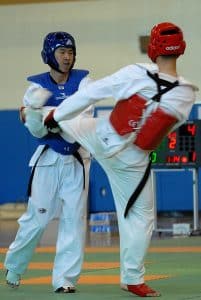
بحث شامل عن رياضة التايكوندو بالانجليزي والعربي يعد فرصة للتعرف على واحدة من أبرز الفنون القتالية في العالم، والتي تجمع بين القوة البدنية والانضباط العقلي والقيم الأخلاقية. نشأت هذه الرياضة في كوريا الجنوبية وأصبحت رمزًا للثقافة الكورية قبل أن تنتشر عالميًا لتصبح رياضة أولمبية تحظى بشعبية كبيرة. لا تقتصر التايكوندو على الدفاع عن النفس فحسب، بل تُعد وسيلة فعّالة لبناء الثقة بالنفس وتحقيق التوازن بين الجسد والعقل وتنمية الصبر والالتزام. كما أنها رياضة ساهمت في تحقيق إنجازات مهمة على المستويين العالمي والعربي، مما يجعلها موضوعًا جديرًا بالدراسة والفهم.
بحث شامل عن رياضة التايكوندو بالانجليزي والعربي
إليكم بحثًا شاملًا عن رياضة التايكوندو باللغتين العربية والإنجليزية:
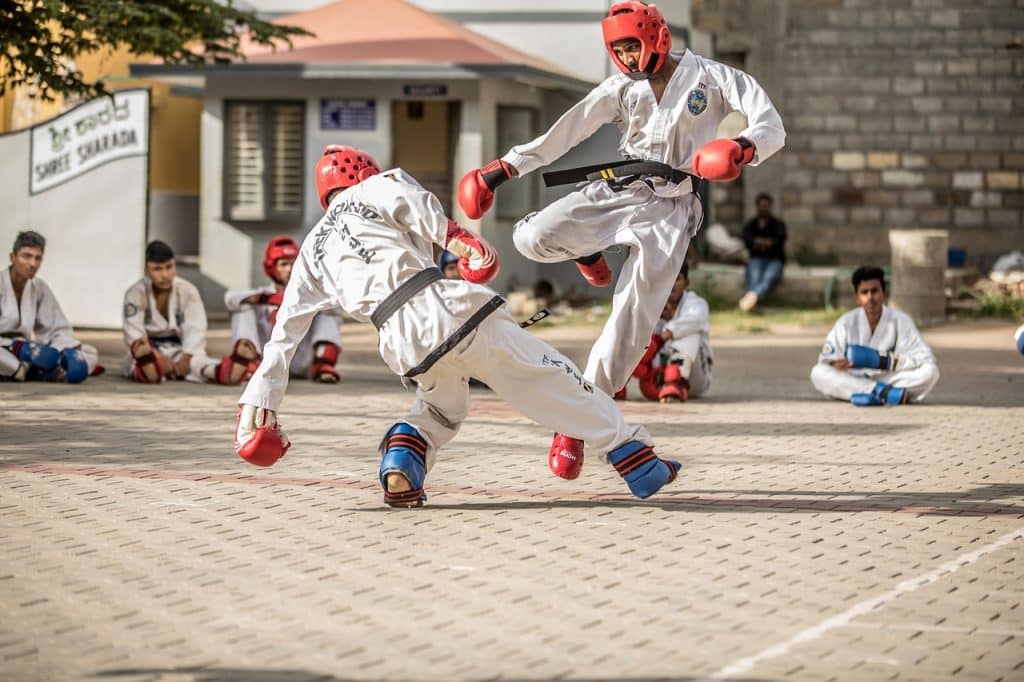
أولًا: البحث باللغة العربية
تعريف التايكوندو
التايكوندو هي فن قتالي كوري تقليدي يجمع بين الدفاع عن النفس واللياقة البدنية والانضباط العقلي. كلمة “تايكوندو” تعني:
- تاي (Tae): القدم أو الركل.
- كون (Kwon): القبضة أو اليد.
- دو (Do): الطريق أو الفن.
وبذلك يصبح معناها “فن استخدام القدم واليد للدفاع عن النفس”.
تاريخ التايكوندو
نشأت التايكوندو في كوريا الجنوبية بعد الحرب العالمية الثانية، لكنها تأثرت بالفنون القتالية القديمة مثل الـ”تايكويون” والـ”سوباك”. في عام 1955 تم توحيد الأساليب المختلفة تحت اسم “تايكوندو” ليصبح رياضة وطنية كورية.
اعترفت بها اللجنة الأولمبية الدولية (IOC) وأصبحت رياضة أولمبية رسمية منذ أولمبياد سيدني عام 2000.
قواعد اللعبة
- تتم المباريات على حلبة مربعة الشكل باستخدام واقيات للجسم والرأس.
- اللاعب يكسب النقاط عبر الركلات أو اللكمات التي تصيب مناطق محددة من جسم الخصم.
- الركلات للرأس والجذع تحقق نقاطًا أعلى من اللكمات.
- الفوز يكون إما بتجميع النقاط أو بالضربة القاضية.
فوائد التايكوندو
- بدنيًا: تحسين اللياقة، زيادة المرونة، تقوية العضلات وتحسين التوازن.
- نفسيًا: تعزيز الثقة بالنفس، ضبط الانفعالات، تنمية الصبر والانضباط.
- اجتماعيًا: تعليم الاحترام والتعاون والعمل بروح الفريق.
الأحزمة في التايكوندو
يُظهر الحزام مستوى اللاعب، ويبدأ بالأبيض ثم الأصفر والأخضر والأزرق والأحمر حتى يصل إلى الحزام الأسود الذي يُقسم إلى درجات (دان).
إنجازات عربية
حققت عدة دول عربية إنجازات في بطولات العالم والأولمبياد، مثل الأردن ومصر وتونس، حيث أحرز لاعبون ميداليات أولمبية بارزة.
Secondly: Research in English
Definition of Taekwondo
Taekwondo is a traditional Korean martial art that combines self-defense, physical fitness, and mental discipline.
The word Taekwondo comes from:
- Tae: Foot or kicking.
- Kwon: Fist or hand.
- Do: Way or art.
So it means “the art of using the feet and hands for defense.”
History
Taekwondo originated in South Korea after World War II but was influenced by older Korean martial arts such as Taekkyon and Subak.
In 1955, various styles were unified under the name “Taekwondo.”
It was recognized by the International Olympic Committee (IOC) and became an official Olympic sport in the 2000 Sydney Olympics.
Rules of the Game
- Matches take place on a square mat with protective gear for the body and head.
- Players earn points by kicking or punching specific target areas.
- Kicks to the head and torso score higher than punches.
- A match can be won by accumulating points or by a knockout.
Benefits of Practicing Taekwondo
- Physical: Improves flexibility, strength, balance, and endurance.
- Mental: Builds self-confidence, self-control, patience, and discipline.
- Social: Encourages respect, teamwork, and sportsmanship.
Belt System
Taekwondo uses a belt ranking system to indicate a student’s level.
It starts with white, then yellow, green, blue, red, and ends with black belts, which have different Dan levels for mastery.
Arab Achievements
Arab countries such as Jordan, Egypt, and Tunisia have achieved significant results in world championships and the Olympics, with athletes winning prestigious medals.
قد يهمك:
- بحث جامعي عن الذكاء الاصطناعي
- بحث جامعي عن الفلزات
- بحث جامعي عن الفيتامينات
- بحث علمي عن الزهايمر
- بحث عن الطاقة النووية
بحث عن رياضة التايكوندو بالانجليزي
Taekwondo
Introduction
Taekwondo is a traditional Korean martial art that emphasizes kicking techniques, self-defense, and mental discipline. It is not only a combat sport but also a way of life that teaches respect, perseverance, and self-control. The word Taekwondo means “the way of the foot and the fist”, reflecting its use of both hands and feet in defense and attack.
History of Taekwondo
Taekwondo originated in Korea after World War II but was influenced by older Korean fighting styles such as Taekkyon and Subak. In 1955, General Choi Hong Hi and other masters unified different Korean martial arts under the name “Taekwondo.”
In 1973, the World Taekwondo Federation (WTF) — now called World Taekwondo (WT) — was founded to organize international competitions and standardize rules.
Taekwondo became an official Olympic sport in the Sydney 2000 Olympic Games, making it one of the most popular martial arts worldwide.
Rules of Taekwondo
- Matches are held on a square mat with athletes wearing protective gear for the head, chest, and legs.
- Points are scored by landing accurate kicks and punches on the opponent’s scoring areas (torso and head).
- Kicks to the head earn more points than body kicks or punches.
- A match can be won by points, a knockout, or if the opponent is disqualified.
Belt System
Taekwondo uses a belt ranking system to indicate a student’s skill level:
- White belt: Beginner
- Yellow belt: Basic knowledge
- Green and Blue belts: Intermediate skills
- Red belt: Advanced level preparing for black belt
- Black belt: Mastery level with different degrees (Dan levels)
This system encourages students to set goals and progress step by step.
Benefits of Practicing Taekwondo
Physical Benefits
- Improves flexibility, strength, and balance
- Increases stamina and overall fitness
- Enhances coordination and speed
Mental Benefits
- Builds self-confidence and self-discipline
- Teaches patience, focus, and emotional control
- Reduces stress and improves mental health
Social Benefits
- Encourages respect and sportsmanship
- Builds friendships and teamwork
- Promotes cultural understanding and global connection
Global and Arab Achievements
Taekwondo has grown into a global sport practiced by millions. Many countries have achieved success in world championships and the Olympics.
Notably, Ahmad Abughaush from Jordan won a gold medal in the 2016 Rio Olympics, becoming a symbol of Taekwondo success in the Arab world. Other Arab nations like Egypt and Tunisia have also won medals in international tournaments.
Conclusion
Taekwondo is more than just a martial art — it is a way to build physical fitness, mental strength, and moral values. Its philosophy of respect, perseverance, and self-control makes it an ideal sport for people of all ages. Today, Taekwondo continues to grow, inspiring athletes around the world to pursue excellence and discipline both on and off the mat.