
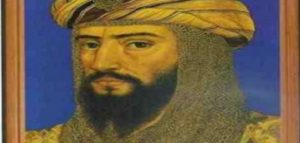
موضوع تعبير بالانجليزي عن صلاح الدين الايوبي ، وهو قطعة من الكتابة يشرح فيها الكاتب فكرة أو موضوع معين. عادةً يطلب من الطلاب كتابة موضوع التعبير ليعبروا عن أفكارهم أو آرائهم أو معلوماتهم حول موضوع معين. يساعد موضوع التعبير على تحسين مهارات الكتابة وتنظيم الأفكار بشكل واضح ومنطقي، لذلك خصصنا هذا الموضوع لنعرض لكم نماذج موضوع تعبير بالانجليزي عن صلاح الدين الايوبي ، تابعوا القراءة.
محتويات المقال
موضوع تعبير بالانجليزي عن صلاح الدين الايوبي
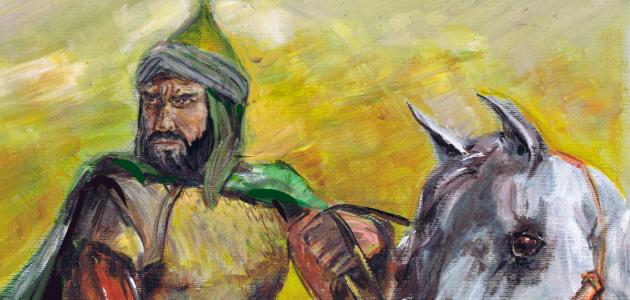
صلاح الدين الأيوبي يُعتبر من أعظم القادة في التاريخ الإسلامي، نظراً لما حققه من إنجازات وانتصارات دفاعاً عن الإسلام والعروبة. لذلك، خصصنا هذه الفقرة من مقالنا لنقدم لكم نموذجاً لموضوع تعبيري باللغة الإنجليزية يتناول شخصية صلاح الدين الأيوبي.
Salahuddin Al-Ayyubi, also known as Saladin, was a famous Muslim leader and warrior. He was born in 1137 in Tikrit, Iraq. Salahuddin is best known for his role in the Crusades, especially for recapturing Jerusalem from the Crusaders in 1187. He was known for his bravery, wisdom, and fairness.
Salahuddin united many Muslim countries to fight against the Crusaders. He treated his enemies with respect and was admired by both Muslims and Christians. His leadership helped to strengthen the Muslim world during a difficult time.
Salahuddin’s legacy continues to inspire people around the world as a symbol of justice and courage.
الترجمة:
صلاح الدين الأيوبي، المعروف أيضًا باسم صلاح الدين، كان قائدًا ومحاربًا مسلمًا مشهورًا. وُلد في عام 1137 في تكريت بالعراق. يشتهر صلاح الدين بدوره في الحروب الصليبية، وخاصة باستعادة القدس من الصليبيين في عام 1187. كان معروفًا بشجاعته وحكمته وعدله.
وحد صلاح الدين العديد من الدول الإسلامية لمحاربة الصليبيين. كان يعامل أعداءه باحترام، وأعجب به المسلمون والمسيحيون على حد سواء. ساعدت قيادته في تقوية العالم الإسلامي خلال فترة صعبة.
إرث صلاح الدين يستمر في إلهام الناس حول العالم كرمز للعدالة والشجاعة.
قد يهمك :
- موضوع تعبير بالانجليزي عن الديناصورات
- موضوع تعبير عن مساعدة الاخرين بالانجليزي
- موضوع تعبير انجليزي قصير
- موضوع تعبير انجليزي عن التكنولوجيا
- موضوع تعبير انجليزي عن القراءة
- موضوع تعبير انجليزي عن الرياضة
- موضوع تعبير انجليزي عن نفسي
- موضوع تعبير انجليزي عن الماء
- موضوع تعبير انجليزي عن التسوق
- موضوع تعبير انجليزي يصلح لكل المواضيع
- موضوع تعبير انجليزي جاهز
موضوع عن صلاح الدين الأيوبي
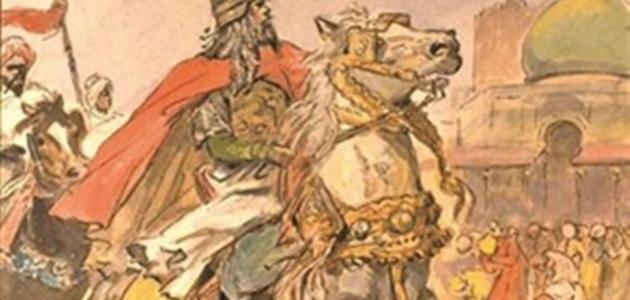
كما ذكرنا سابقًا، يُعد صلاح الدين من أبرز الشخصيات التي نالت احترامًا وتقديرًا واسعًا عبر التاريخ وفي مختلف أنحاء العالم. فهو رمز للشجاعة والفروسية. في السطور التالية، نقدم لكم موضوعًا مفصلًا عن حياة صلاح الدين الأيوبي، فتابعوا القراءة.
Salah al-Din al-Ayyubi is regarded as one of the greatest leaders in Islamic history due to his achievements and victories in defending Islam and Arab identity. He was born in 1138 AD in the Iraqi city of Tikrit. On the very night of his birth, his family moved from Tikrit to Mosul, where they stayed for only one year before relocating to the city of Baalbek, where Salah al-Din’s father became the ruler. Later, the family settled in Damascus, where Salah al-Din spent his childhood and youth, studying philosophy and sports.
He memorized the Qur’an and hadith, trained in martial arts, and developed a strong passion for jihad.
When Salah al-Din was twenty-six, Egypt was under Fatimid rule but was notably weak at the time, as the Fatimid caliph had lost control. A major conflict erupted between two leading princes of the Fatimid state, Shawar and Durgham. After Durgham killed Shawar’s elder son, Shawar fled to Damascus, seeking help from Nur al-Din Mahmoud against Durgham’s aggression.
Nur al-Din sent a military campaign to Egypt led by his ally Asad al-Din, accompanied by Salah al-Din and his uncle Asad al-Din. The campaign aimed to restore Shawar’s rights and assess Egypt’s weakened condition during the Fatimid era.
The campaign succeeded in taking control of Egypt. Salah al-Din’s ally became minister under the last Fatimid caliph, Al-Adid, but he died two months later, and Salah al-Din assumed the position.
Salah al-Din abolished the Fatimid state by removing Shiite ministers and princes, replacing them with Sunni officials. He also established schools to teach Islamic jurisprudence and the fundamentals of the religion.
ترجمة :
صلاح الدين الأيوبي يُعد من أعظم القادة في التاريخ الإسلامي، نظرًا لإنجازاته وانتصاراته في الدفاع عن الإسلام والعروبة. وُلد صلاح الدين في مدينة تكريت العراقية عام 1138 ميلاديًا. في نفس ليلة مولده، انتقلت أسرته من تكريت إلى الموصل، وأقامت هناك لمدة عام واحد فقط، ثم انتقلوا إلى مدينة بعلبك حيث تولى والده حكمها، وبعدها انتقلت الأسرة إلى دمشق التي قضى فيها صلاح الدين طفولته وشبابه، حيث تعلّم الفلسفة والرياضة.
حفظ القرآن الكريم والحديث، وتدرب على الفنون القتالية، ونشأ لديه ميل قوي نحو حب الجهاد.
عندما بلغ صلاح الدين السادسة والعشرين من عمره، كانت مصر تحت حكم الفاطميين، وكانت في حالة ضعف واضحة بسبب فقدان الخليفة الفاطمي السيطرة على زمام الأمور. نشب صراع كبير بين اثنين من كبار أمراء الدولة الفاطمية، وهما شاور ودرغام، حيث قتل الأمير درغام ابن شاور الأكبر، ففرّ شاور إلى دمشق طالبًا دعم نور الدين محمود للنجدة.
أرسل نور الدين محمود حملة عسكرية إلى مصر بقيادة أسد الدين، ورافقه صلاح الدين الأيوبي وابن عمه أسد الدين، وكان هدف الحملة استرداد حق شاور من درغام واستكشاف حالة ضعف مصر في تلك الفترة. نجحت الحملة في السيطرة على مصر، وأصبح شريك صلاح الدين وزيرًا في عهد الخليفة الفاطمي الأخير، العاضد، لكن الوزير توفي بعد شهرين فقط، فتولى صلاح الدين المنصب بدلًا منه.
قام صلاح الدين بإلغاء الدولة الفاطمية عبر إبعاد الوزراء والأمراء الشيعة، وتعيين وزراء وأمراء سنة مكانهم، كما عمل على إنشاء مدارس لتعليم الناس الفقه وأساسيات الدين الإسلامي.
إنجازات صلاح الدين الأيوبي
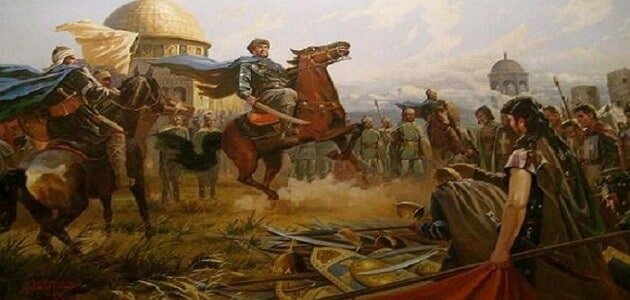
صلاح الدين الأيوبي يُعتبر مؤسس الدولة الأيوبية في عام 569هـ، وحكمها لمدة عشرين عامًا. في الفقرة التالية من مقالنا، سنستعرض أهم الإنجازات التي حققها خلال فترة حكمه، والتي كانت كالتالي:
Salah al-Din al-Ayyubi succeeded in unifying numerous countries, including Egypt and the Levant, leading the jihad against the Crusaders and achieving many significant victories. He is credited with establishing a powerful and expansive state that extended its control over Egypt, the Levant, the Hijaz, Yemen, northern parts of Iraq, parts of Turkey, regions of Libya, and Nubia.
Holding the position of minister in Egypt, Salah al-Din managed to resolve both internal and external conflicts within the country. He also founded two major schools, the Nasiriyah and al-Kamiliyya schools, which played a key role in promoting the Sunni doctrine and encouraging people to embrace Sunni Islam.
Salah al-Din used the wealth of Egypt as his initial financial base to conquer Syria. Afterward, he utilized Syria’s resources to launch campaigns into northern Mesopotamia, which in turn provided the means to invade the Crusader states along the eastern coast.
At the age of fifty-seven, Salah al-Din resided in Jerusalem, where he focused on organizing the administrative affairs of Palestine. He also dedicated much of his time to hunting and engaging in discussions with scholars about religious issues.
بحث عن صلاح الدين الايوبي بالانجليزية
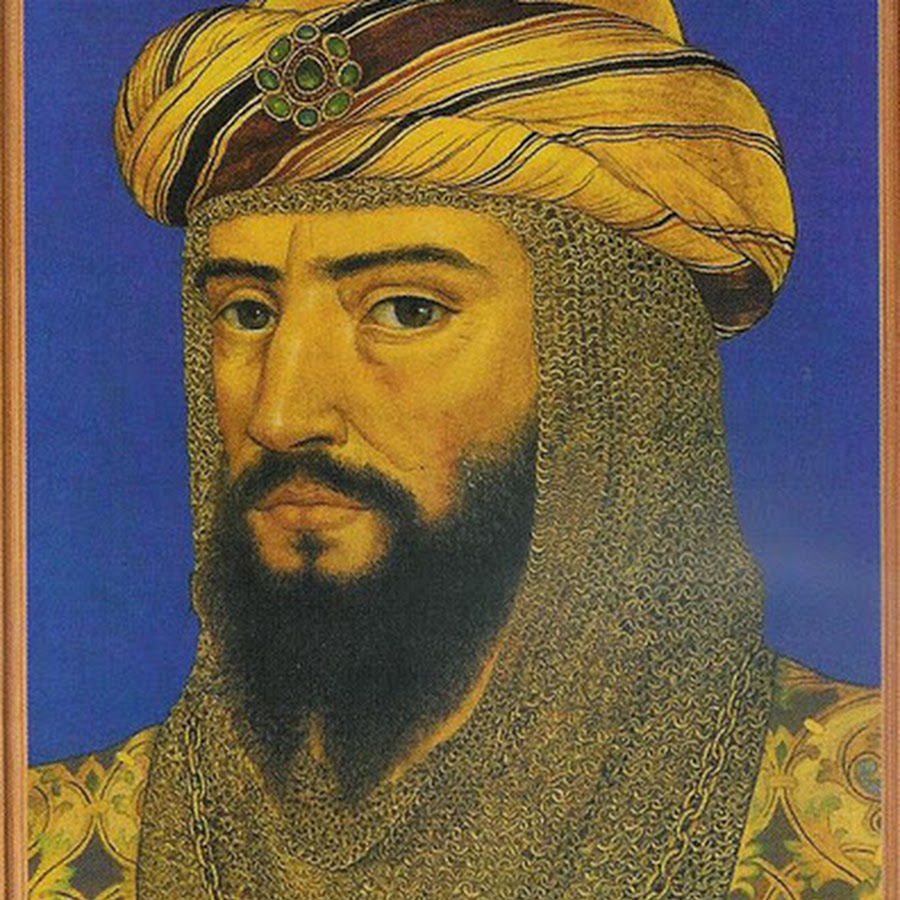
يُعتبر السلطان صلاح الدين الأيوبي من أعظم القادة المسلمين في التاريخ. فقد تمكن من توحيد مصر وسوريا والحجاز تحت حكمه، وقاد العديد من المعارك ضد الصليبيين، أبرزها معركة حطين التي أسفرت عن تحرير بيت المقدس بعد احتلال استمر لمدة 88 عامًا، وما صاحب ذلك من معاناة للمسلمين. في هذه الفقرة، نقدم لكم بحثًا مبسطًا باللغة الإنجليزية عن هذا السلطان البطل، حيث تم جمع المعلومات بدقة وعناية وفقًا للمراجع التاريخية والقواعد اللغوية. ندعوكم للاستمتاع بالقراءة.
Salah Ad-Din was the first Sultan of Syria and Egypt and the founder of the Ayyubid dynasty. He was a Sunni Muslim of Kurdish descent. Salah Ad-Din led the Muslim military campaigns against the Crusader states in the Middle East. At the height of his power, his sultanate included Syria, Egypt, the Hejaz, Yemen, Upper Mesopotamia, and parts of North Africa.
In 1164 AD, he was sent to Egypt with his uncle Shirkuh, a general in the Zengid army, by their lord Nur ad-Din to assist Shawar, who had been removed from his position as vizier during a power struggle in Fatimid Egypt. After Shawar was reinstated, he betrayed Shirkuh by allying with the Crusader king Amalric.
Following Salah Ad-Din’s military successes against Crusader attacks, the assassination of Shawar in 1169, and Shirkuh’s death later that year, Salah Ad-Din became the vizier—a rare achievement for a Sunni Muslim in the Isma’ili Shia Fatimid Egypt.
Under Salah Ad-Din’s command, the Ayyubid army defeated the Crusaders at the Battle of Hattin in 1187. After this victory, he recaptured Palestine, including Jerusalem, which had been under Crusader control for 88 years following the massacre of hundreds of Muslims.
Salah Ad-Din died in Damascus in 1193 and was buried in a mausoleum next to the Umayyad Mosque. He remains a celebrated figure in Muslim history and is often regarded as the most famous Kurdish leader ever.
برجراف عن صلاح الدين الايوبي بالانجليزية
في الفقرات السابقة تعرفنا على مجموعة من المعلومات الهامة حول صلاح الدين الأيوبي، وفي هذه الفقرة سنقدم لكم بعض التفاصيل المتعلقة بوفاته، وذلك لتسهيل إدراجها في موضوعكم الخاص عن صلاح الدين الأيوبي إذا طلب منكم ذلك كواجب مدرسي. قراءة ممتعة!
Salah al-Din al-Ayyubi passed away in 1193 CE after suffering from yellow fever for twelve days. He left behind a vast realm, seventeen sons, and one daughter. During his lifetime, Salah al-Din divided his territories among his sons, granting them significant authority to govern. However, following his death, the state began to fragment, leading to internal conflicts among the Ayyubid heirs, which ultimately weakened the dynasty.
توفي صلاح الدين الأيوبي عام 1193 م بعد معاناة من الحمى الصفراء لمدة اثني عشر يومًا. وقد ترك وراءه مملكة شاسعة وسبعة عشر ولداً وابنة واحدة. وخلال حياته، قسّم صلاح الدين الأيوبي أراضيه بين أبنائه ومنحهم سلطة كبيرة في الحكم. ولكن، بعد وفاته، بدأت الدولة في التفتت، مما أدى إلى نشوب صراعات داخلية بين الورثة الأيوبيين، الأمر الذي أضعف السلالة في نهاية المطاف.