
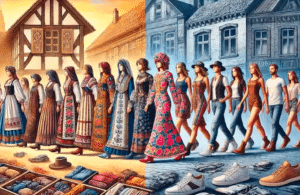
تتأثر كيفية تشكيل الموضة في فترة معينة بالاتجاهات والأذواق الخاصة بالمجموعات أو الأفراد. كما يلعب الوضع الاجتماعي والتفضيلات الثقافية دورًا بارزًا في هذا السياق. بالإضافة إلى ذلك، تسهم الأحداث العالمية، مثل الحروب والأزمات الاقتصادية، في تشكيل ملامح الموضة ، و في هذا المقال نعرض لكم أقوى تعبير عن الملابس في الماضي والحاضر بالانجليزي .
محتويات المقال
تعبير عن الملابس في الماضي والحاضر بالانجليزي
نموذج تعبير عن الملابس في الماضي والحاضر بالانجليزي :
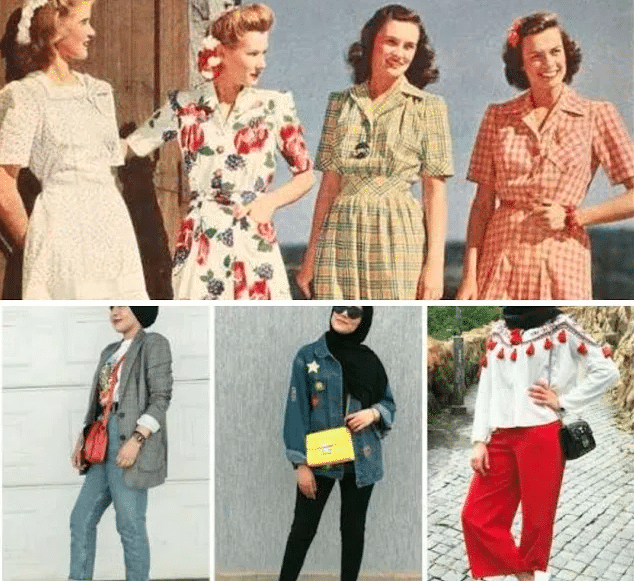
Clothing is more than just a necessity; it reflects the history, culture and identity of societies. The differences between clothing in the past and the present highlight how much human life has evolved.
In the past, clothing was simple and functional. People relied on natural resources like wool, silk, and animal skins to make clothes. Each region had its unique style, influenced by climate and traditions. Tailoring was done manually, and the process of making clothes was time-consuming Additionally, clothes often symbolized a person’s rank or wealth. For example, kings and nobles wore luxurious fabrics, while farmers and workers dressed in more modest attire.
In the present, clothing has become a blend of practicality and fashion Technological advancements have introduced synthetic fabrics and mass production, making clothes cheaper and more accessible. Modern styles are versatile, allowing individuals to express their personality and creativity. Fashion has also become global, with trends spreading rapidly across countries through media and social platforms.
Although modern clothing is very different from traditional wear many cultures continue to honor their heritage by wearing traditional garments during celebrations and ceremonies. This shows the balance between embracing the new and cherishing the old.
الملابس ليست مجرد ضرورة، بل تعكس تاريخ وثقافة وهوية المجتمعات. وتبرز الفروق بين الملابس في الماضي والحاضر مدى تطور حياة الإنسان.
في الماضي، كانت الملابس بسيطة وعملية. اعتمد الناس على الموارد الطبيعية مثل الصوف والحرير وجلود الحيوانات لصنع الملابس. وكان لكل منطقة طابعها الخاص المتأثر بالمناخ والتقاليد. كانت عملية الخياطة تُجرى يدويًا، مما جعل صناعة الملابس تستغرق وقتًا طويلاً. بالإضافة إلى ذلك، كانت الملابس غالبًا ما ترمز إلى مكانة الشخص أو ثروته. على سبيل المثال، كان الملوك والنبلاء يرتدون الأقمشة الفاخرة، بينما كان المزارعون والعمال يرتدون ملابس أكثر تواضعًا.
أما في الحاضر، فقد أصبحت الملابس مزيجًا من العملية والموضة. قدمت التطورات التكنولوجية أقمشة صناعية وإنتاجًا ضخمًا، مما جعل الملابس أرخص وأكثر توافرًا. وتتميز الأنماط الحديثة بالتنوع، مما يسمح للأفراد بالتعبير عن شخصياتهم وإبداعهم. كما أصبحت الموضة عالمية، حيث تنتشر الاتجاهات بسرعة عبر الدول من خلال وسائل الإعلام ومنصات التواصل الاجتماعي.
وعلى الرغم من أن الملابس الحديثة تختلف كثيرًا عن الملابس التقليدية، إلا أن العديد من الثقافات لا تزال تحترم تراثها بارتداء الأزياء التقليدية خلال الاحتفالات والمناسبات. وهذا يوضح التوازن بين احتضان الجديد والاعتزاز بالماضي.
بحث حول اللباس التقليدي بالانجليزية
نموذج بحث حول اللباس التقليدي بالانجليزية :
many young people especially teenagers. It changes their way of thinking thinking, their dress, their cultures and sometimes even their identities … and nowadays we can see thousands of young slaves of fashion. Globalization plays a very important role in the evolution of fashion through the media, Internet and television par excellence.
It benefits from the influence exerted by celebrities. The fashion also reflects the identity of the person, one makes false ideas on the person through his coat. Just because this person has been carried away by this wave of fashion that does not harmonize with his “real” personality. Let’s control fashion and do not let it control us!
The burnous, the caftan, the jellaba, the haik, etc., testify to the radiation of the Moroccan city dress over time. The flourishing of the clothing traditions from Andalusian heritage and Hispano-Moorish fashion did not fail to arouse the admiration of travelers and Western ambassadors from the 16th to the 18th century, and oriental fashion conquered the romantics of the nineteenth century as well as Matisse in the following century.
By the richness and diversity of the ornamentation specific to each region by the brilliance of the colors of the fabrics and their luxury, the masculine and feminine clothes excel in refinement and elegance. The workshops of Fez, Tétouan, Meknes, Rabat produced the most beautiful caftans, the most sumptuous weavings,
especially for the costumes of both Muslim and Jewish brides. The sartorial splendor is complete only with the art of gold ornament, declining the jewel in all its forms, diadems, dangle earrings, adornments of temples, buckles, fibulae, rings, necklaces, bracelets, rings of ankle.
This craft of luxury continues today through a revival of jewelry and weaving, driven by the rise of Moroccan haute couture, born there twenty years to maintain and invigorate this precious heritage.
In its immutable form, the traditional costume has continued to evolve, in fabrics, colors and patterns, to integrate foreign influences – Oriental Andalusian, Ottoman, European finally – but has always known, despite the modernity and the appearance of Western costume, safeguard its predominant place and its social meaning.
This particular vitality did not escape the great French designers, such as Mariano Fortuny, Paul Poiret and Yves Saint Laurent who, immersed in the colorful and original cuts, the ornamentation and the decorative motifs of the Moroccan craftsmanship, were irresistibly influenced by the haunting splendor of the Moroccan costume.
قد يهمك :
- تعبير عن الحياة في الماضي بالانجليزي قصير
- تعبير عن صناعة الزرابي التقليدية
- تعبير عن الفرق بين الصناعات التقليدية والصناعات الحديثة
- موضوع تعبير بالانجليزي عن الحرف اليدوية
- تعبير عن الحياة في الحاضر بالانجليزي
- تعبير عن الزي الرسمي بالانجليزي
- تعبير عن الفرق بين الرجل والمرأة بالانجليزي
- جمل بالانجليزي عن الحياة اليومية
تعبير عن الفرق بين الحياة في الماضي والحاضر بالانجليزي
تعبير عن الفرق بين الحياة في الماضي والحاضر بالانجليزي :
In the past, daily life was deeply connected to nature and traditions People grew their own food, made their clothes by hand, and worked closely with their neighbors to solve community issues. Life had a slower pace, allowing people to enjoy small moments, like family gatherings, storytelling, and community events. Since most people lived in small towns, they knew each other well, and relationships were more personal and meaningful.
Today, technology has brought many conveniences, allowing people to complete tasks quickly and stay connected globally. Work, shopping, and entertainment are now accessible from home, giving people more flexibility. However, the focus on individualism has grown, and people may feel isolated despite the ease of communication. Additionally, fast-paced life often leaves little time to relax, and people may feel the pressure to always be productive.
In essence, both times have their own advantages. The past was filled with deeper, more personal connections, while the present offers efficiency and a broader view of the world. Balancing these two worlds—embracing technology while keeping meaningful relationships—is a key to enjoying a fulfilling life today.
في الماضي، كانت الحياة اليومية مرتبطة بشكل كبير بالطبيعة والتقاليد. كان الناس يزرعون غذاءهم، ويصنعون ملابسهم يدويًا، ويتعاونون مع جيرانهم لحل مشكلات المجتمع. كان للحياة إيقاع أبطأ، مما أتاح للناس الاستمتاع باللحظات الصغيرة، مثل تجمعات العائلة، وسرد القصص، والفعاليات المجتمعية. وبما أن معظم الناس كانوا يعيشون في بلدات صغيرة، فقد كانوا يعرفون بعضهم جيدًا، وكانت العلاقات أكثر شخصية وذات مغزى.
أما اليوم، فقد جلبت التكنولوجيا العديد من وسائل الراحة، مما يسمح للناس بإنجاز المهام بسرعة والبقاء على اتصال عالميًا. أصبحت العمل والتسوق والترفيه متاحة من المنزل، مما يمنح الناس مرونة أكبر. ولكن ازداد التركيز على الفردية، وقد يشعر البعض بالعزلة رغم سهولة التواصل. بالإضافة إلى ذلك، يترك إيقاع الحياة السريع القليل من الوقت للاسترخاء، وقد يشعر الناس بالضغط ليكونوا دائمًا منتجين.
في جوهر الأمر، يتمتع كلا العصرين بمزايا خاصة. كان الماضي مليئًا بالروابط الشخصية الأعمق، بينما يوفر الحاضر الكفاءة ونظرة أوسع للعالم. التوازن بين هذين العالمين – احتضان التكنولوجيا مع الحفاظ على العلاقات ذات المعنى – هو المفتاح للتمتع بحياة مفعمة بالرضا اليوم.
تعبير عن الماضي والحاضر بالانجليزي قصير
“ تعبير عن الماضي والحاضر بالانجليزي قصير ” لمعرفة التغيرات التي طرأت على حياة البشر بين الماضي والحاضر. نرجو لك قراءة ممتعة.
100 years ago, school students had to walk long distances to get to their schools, whatever the weather was. There were no buses or cars, and sometimes they had to walk from one village to another to get to school. Nowadays, there are schools all around cities, towns, and even small villages. Students can take the bus or their cars, or sometimes they can ride their bikes to get to school.
منذ 100 عام مضت، توجب على طلاب المدارس المشي لمسافات طويلة للوصول إلى مدارسهم أيًا كان الطقس. لم يكن ثمة حافلات أو سيارات، وتوجب عليهم أحيانًا المشي من قرية إلى أخرى للوصول إلى مدارسهم. أما اليوم، فالمدارس منتشرة في جميع أرجاء المدن، والبلدات، وحتى القرى الصغيرة. بإمكان الطلاب استقلال الحافلة أو السيارة، أو حتى قيادة دراجاتهم الهوائية للوصول إلى مدارسهم.
100 years ago, there were no televisions, computers, or the internet. People used to gather and spend their free time together. Some used to read books or listen to the radio. There are hundreds of ways to be entertained nowadays. Whenever one feels bored, they can surf the internet, watch TV, or go to the gym.
منذ 100 عام، لم يكن ثمة تلفاز، أو حاسب، أو إنترنت. اعتاد الناس الاجتماع وقضاء وقت فراغهم معًا. اعتاد بعضهم قراءة الكتب أو الاستماع إلى المذياع. أما اليوم، فثمة مئات طرق الترفيه والتسلية. حين يشعر أحدنا بالملل، يمكنه تصفح الإنترنت، أو مشاهدة التلفاز، أو الذهاب إلى النادي الرياضي.